
Introduction to Sports Broadcasting
What is Sports Broadcasting?
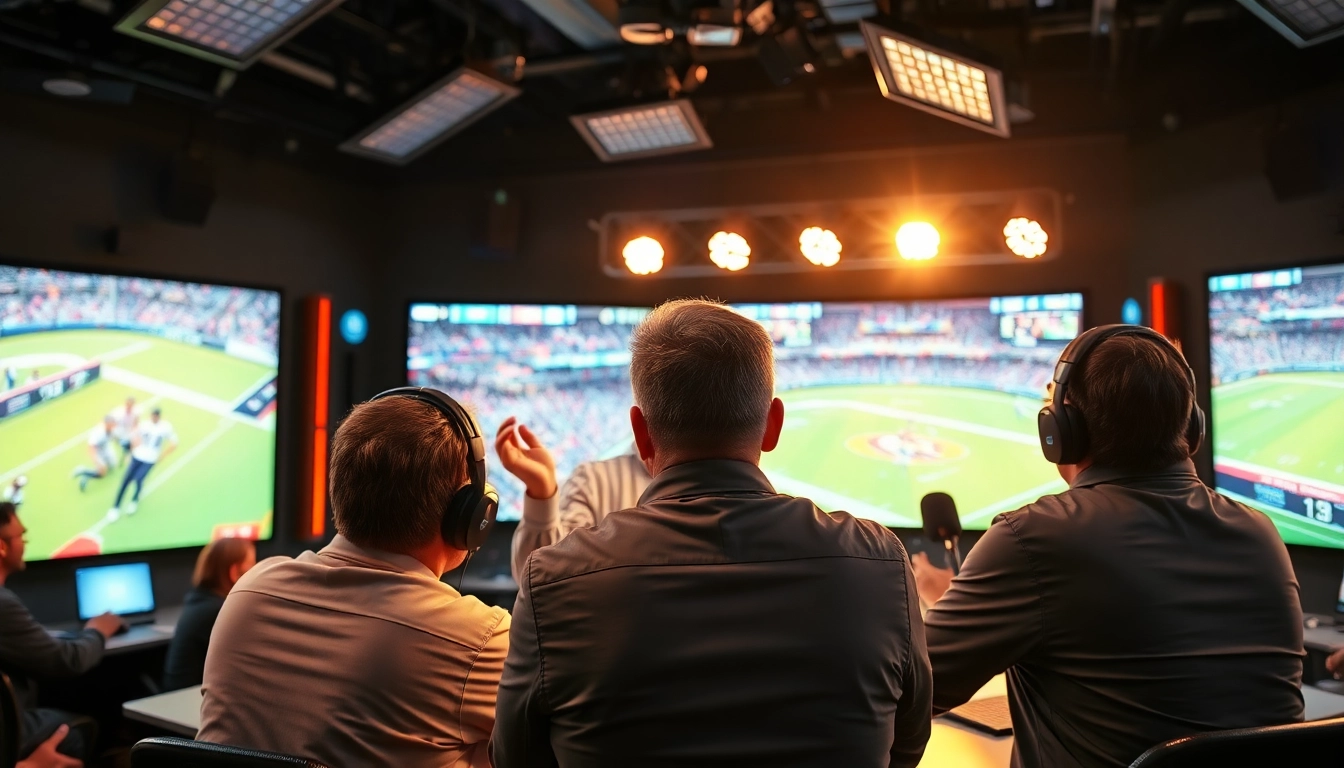
Sports Broadcasting refers to the dissemination of sports content through various media channels, including television, radio, and online platforms. This process involves not just the live viewing of events but also the production of related content like interviews, highlights, commentary, and analysis. Sports Broadcasting enhances the audience's experience and connection with live events and ensures that fans can follow their favorite teams and athletes from anywhere in the world. As a dynamic field, it has evolved significantly with the advent of technology, making it accessible in ways never seen before. For an in-depth look at Sports Broadcasting, check out Sports Broadcasting.
History and Evolution of Sports Broadcasting
The genesis of sports broadcasting can be traced back to the early 1920s when radio became a popular medium for reporting live sports events. For the first time, fans were able to listen to live updates on their favorite teams while at home. The introduction of television in the 1950s marked a pivotal moment in sports broadcasting, as millions could now watch events from the comfort of their living rooms. Sports Broadcasting expanded further in the 1980s and 1990s with the rise of cable networks, allowing more niche sports content to reach wider audiences.
In the digital age, streaming platforms have completely transformed how sports are consumed. Viewers can now watch events on-demand and engage with interactive content, paving the way for a more personalized viewing experience. The evolution of broadcasting technology, including improvements in high-definition (HD) and 4K coverage, drone cameras, and augmented reality (AR) graphics, has pushed the boundaries of traditional sports broadcasting, bringing fans closer to the action than ever before.
Importance of Sports Broadcasting Today
Sports Broadcasting plays a crucial role in today's entertainment landscape, serving as a significant driver of economic activity in the sports industry. Major sports leagues generate substantial revenue through broadcasting rights, which are critical for funding teams and enhancing athletic programs. Additionally, Sports Broadcasting creates a platform for athlete visibility, sponsorship opportunities, and fan engagement.
From a cultural perspective, Sports Broadcasting also fosters community connections, bringing fans together not only in the stands but also in their homes or gatherings, enhancing their shared experience and loyalty to teams and leagues. The social aspect of watching sports has grown with the integration of live social media interactions during broadcasts, further solidifying the relevance of sports broadcasting in contemporary society.
Key Components of Sports Broadcasting
Understanding the Audience
A successful sports broadcasting operation starts with a deep understanding of its audience. Knowing who the viewers are, their preferences, and behaviors is essential for content creation. This can involve demographic research, surveys, and social media monitoring to gauge interests. Understanding audience sentiment helps broadcasters tailor their content to match viewer expectations, driving engagement and building loyalty.
For example, younger audiences may prefer fast-paced highlights and interactive content, while traditional sports fans might lean toward comprehensive game analysis and commentary. Broadcasters who tap into the unique characteristics of their viewership can create personalized experiences, enhancing overall satisfaction and retention rates.
Technology in Sports Broadcasting
Technology is the cornerstone of modern sports broadcasting, defining how content is delivered and experienced. The development of high-definition broadcasting, mobile applications, and digital platforms has revolutionized viewership. Viewers can now watch live streams, receive instant updates, and access a wealth of information through various devices.
Moreover, advancements such as virtual reality (VR) and augmented reality (AR) are beginning to change the landscape of sports broadcasting by providing immersive experiences. Such technologies offer fans unique perspectives, such as on-field views or player simulations, which were previously unattainable. Adapting to these technologies will be essential for broadcasters looking to remain competitive.
Roles and Responsibilities in Broadcasting
The sports broadcasting team encompasses various roles, each playing a vital part in delivering a successful broadcast. Producers are responsible for the overall flow of the broadcast, coordinating camera angles, and selecting highlights. Commentators provide live analysis and context, while reporters cover sidelined events and player interviews.
Behind the scenes, technical specialists handle equipment setup and troubleshooting, ensuring seamless transmission. Understanding each role's significance fosters collaboration, which is critical for producing high-quality broadcasts that resonate with audiences.
Challenges in Sports Broadcasting
Dealing with Live Broadcast Interruptions
Live broadcasts can experience interruptions due to various factors, such as technical difficulties, weather conditions, or even unscripted events occurring on or off the field. These interruptions can pose challenges to broadcasters, who must quickly adapt and maintain viewer engagement during downtimes.
To mitigate these challenges, broadcasters can implement a range of strategies, such as pre-planning contingency content, like player interviews or throwing to analysts for discussions during breaks in action. Quick thinking and flexibility combined with thorough planning can ensure the broadcast remains smooth and viewer engagement stays strong even through unexpected complications.
Navigating Legal and Ethical Issues
Sports broadcasting sits at the intersection of entertainment and legislation, and navigating legal and ethical issues can prove challenging. Broadcast rights, copyright laws, and fair usage are significant considerations that require attention. Additionally, ensuring fair representation of diverse athletes and addressing sensitive topics within sports and broadcasting also falls under the ethical purview.
For successful operations, broadcasters must stay informed of the legal landscape while creating transparent policies for content and reporting, ensuring compliance and ethical engagement with audiences. This fosters trust and integrity in broadcasting practices.
Competition and Audience Retention
The competitive nature of sports broadcasting continues to grow with the introduction of numerous platforms, leading to fragmented audiences. With fans having a plethora of choices, retaining viewer interest is more critical than ever. Broadcasters must create compelling content strategies that appeal to diverse audiences and maintain their loyalty.
This can be achieved by engaging audiences through innovative storytelling methods and leveraging social media for interactive feedback and discussions. By developing unique viewer experiences, broadcasters can differentiate themselves and enhance audience retention amid fierce competition.
Strategies for Successful Sports Broadcasting
Innovative Content Creation
Creating innovative content that captures the audience's attention is central to a successful sports broadcast. This involves producing varied content, such as deep-dive analyses, engaging interviews, and behind-the-scenes footage that gives viewers a comprehensive view of their favorite sports.
In addition, leveraging user-generated content can foster community and connection among fans. By encouraging fans to share their experiences and engaging with this content during broadcasts, networks can increase relatability and enhance viewer interaction, resulting in a more dynamic broadcast.
Utilizing Social Media for Engagement
Social media plays a crucial role in amplifying sports broadcasts. Broadcasters must use platforms like Twitter, Instagram, and TikTok to create conversations around live events, share highlights, and even run polls for audience participation.
Engaging with fans during broadcasts can transform passive viewing into an interactive experience. Social media serves as an extension of the broadcast, and when effectively integrated, it results in a more enriched viewing experience, driving higher audience engagement and loyalty.
Leveraging Analytics to Improve Reach
Data analytics is a valuable tool in sports broadcasting. By gathering and analyzing viewer data, broadcasters can gain insights into audience preferences, enabling them to tailor content more effectively. Tracking metrics such as viewership numbers, drop-off rates, and social media interactions allows networks to identify trends and adjust programming accordingly.
Employing analytics also helps broadcasters anticipate audiences' interests, fine-tune marketing strategies, and reach targeted demographics more efficiently. Adapting content based on data-driven insights leads to increased viewer retention and growth in overall audience reach.
Future Trends in Sports Broadcasting
Impact of Streaming Services
Streaming services have fundamentally transformed how audiences consume sports content. Traditional cable subscriptions are being phased out in favor of flexibility and on-demand viewing options that appeal to modern consumers. This shift enables fans to watch live events from anywhere worldwide, paving the way for greater global reach.
As streaming platforms continue to innovate, they will undoubtedly shape the future of sports broadcasting. Embracing partnerships with streaming services and developing exclusive content can become key strategies for broadcasters striving to remain relevant and engaging in this evolving landscape.
Emerging Technologies in Broadcast
Technological advancements, such as 5G connectivity, AI-powered commentary, and machine learning analytics, are creating exciting opportunities in sports broadcasting. Enhanced connectivity will allow for smoother streaming experiences while AI can enhance game analysis and commentary accuracy.
As these technologies progress, broadcasters must adopt them to streamline operations and offer enhanced viewer experiences, keeping pace with audience expectations for high-quality, accessible content.
Fan Interaction and Augmented Experiences
The future of sports broadcasting will likely see increased interactivity with fans. With technologies like augmented reality (AR) and virtual reality (VR), broadcasters can create engaging experiences that allow fans to feel more connected to their teams and players.
Imagine being able to experience a game from the athlete's perspective through VR or interactively engage with content via AR overlays during broadcasts. Integrating these technologies into sports broadcasting presents endless possibilities for enhancing fan engagement and loyalty.
FAQs
What is the main role of a sports broadcaster?
To provide live coverage, commentary, and analysis of sporting events, enhancing viewer engagement and understanding.
How has technology influenced sports broadcasting?
Technology has enabled live streaming, instant replays, and interactive features, revolutionizing viewer experiences for audiences.
What are common challenges faced in sports broadcasting?
Challenges include technical difficulties, audience engagement, and ensuring compliance with broadcasting regulations and rights.
How can broadcasters retain audience interest?
By creating diverse and engaging content, interacting with fans via social media, and staying ahead of industry trends.
What does the future hold for sports broadcasting?
The future is expected to see more integration of streaming technologies, personalized content, and enhanced fan experiences through AR/VR.